

The teeing ground is golf’s great equalizer. It’s the only time during a round where you get to choose your lie. Eighteen opportunities per round—that’s eighteen chances to set yourself up for success before you’ve even made a swing.
Yet I see far too many amateurs walk onto the tee box, drop a ball down with barely a thought, take a couple of practice swings, and let it rip. You won’t see any professional golfer or top amateur do that.
Here is my “1-2-3” approach to what you should consider before teeing off, whether it’s a par-5, par-4, or even a par-3.
1. Tee Up on the Same Side as the Trouble
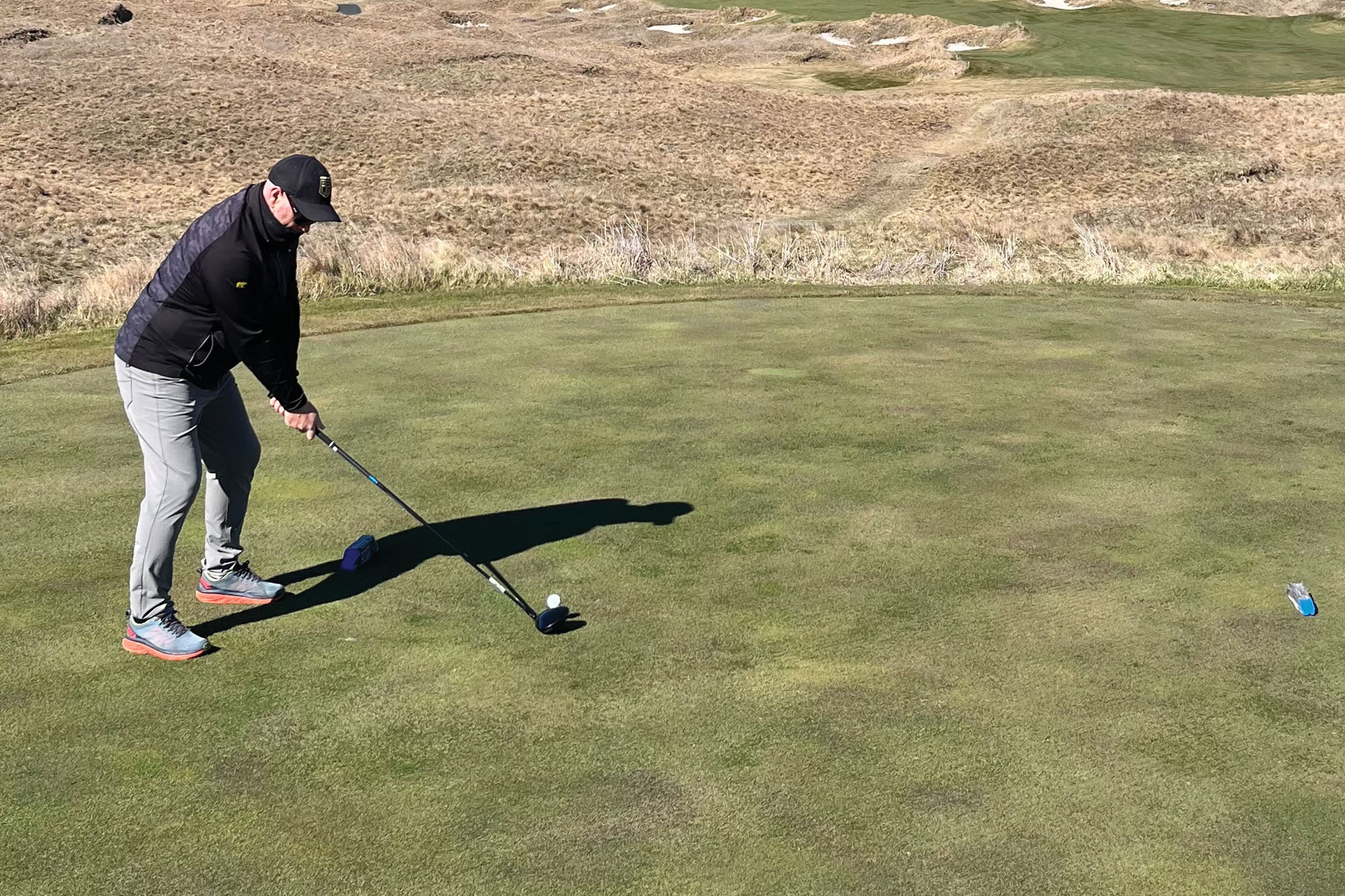
Look at the hole ahead and identify where the most trouble lies. Is there more danger on the left or the right? My advice is to always tee up on the same side of the tee box as the trouble.
Here’s the logic: If you tee up on the same side as the trouble, you’ll naturally be looking and aiming away from it. Your target—a specific point on the fairway or green for a par 3 tee shot will, when you project that line forward, take you away from the danger. Conversely, if you tee up on the opposite side, your aiming line will tend to drift toward the trouble. Even before you swing, the hazard will be playing mind games with you.
2. Find Level Ground for Your Feet
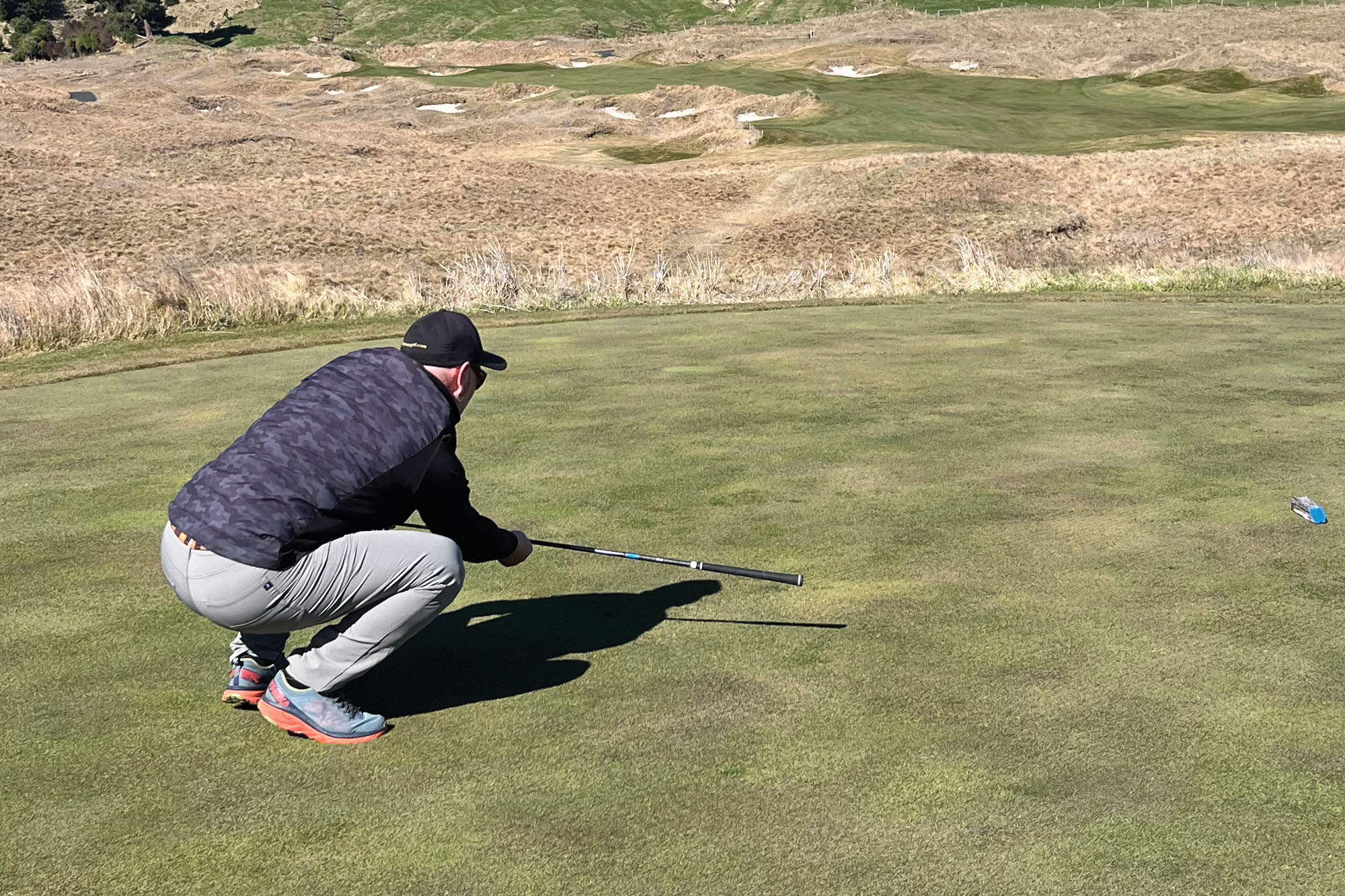
While your ball will obviously be teed higher than your feet with a driver, many tee boxes have subtle slopes. If you tee up where the ball is slightly above your feet, it promotes a flatter swing plane and will likely send the ball left. Conversely, if the ball is below your feet, it encourages a slice to the right.
Remember, under the Rules of Golf, your teeing area is a rectangle. It begins with an imaginary line between the two tee markers and extends two club lengths back from that line. You have a legal area to work with, so use it to find the most level piece of ground possible.
3. Use the Full Teeing Area and Always Tee It Up
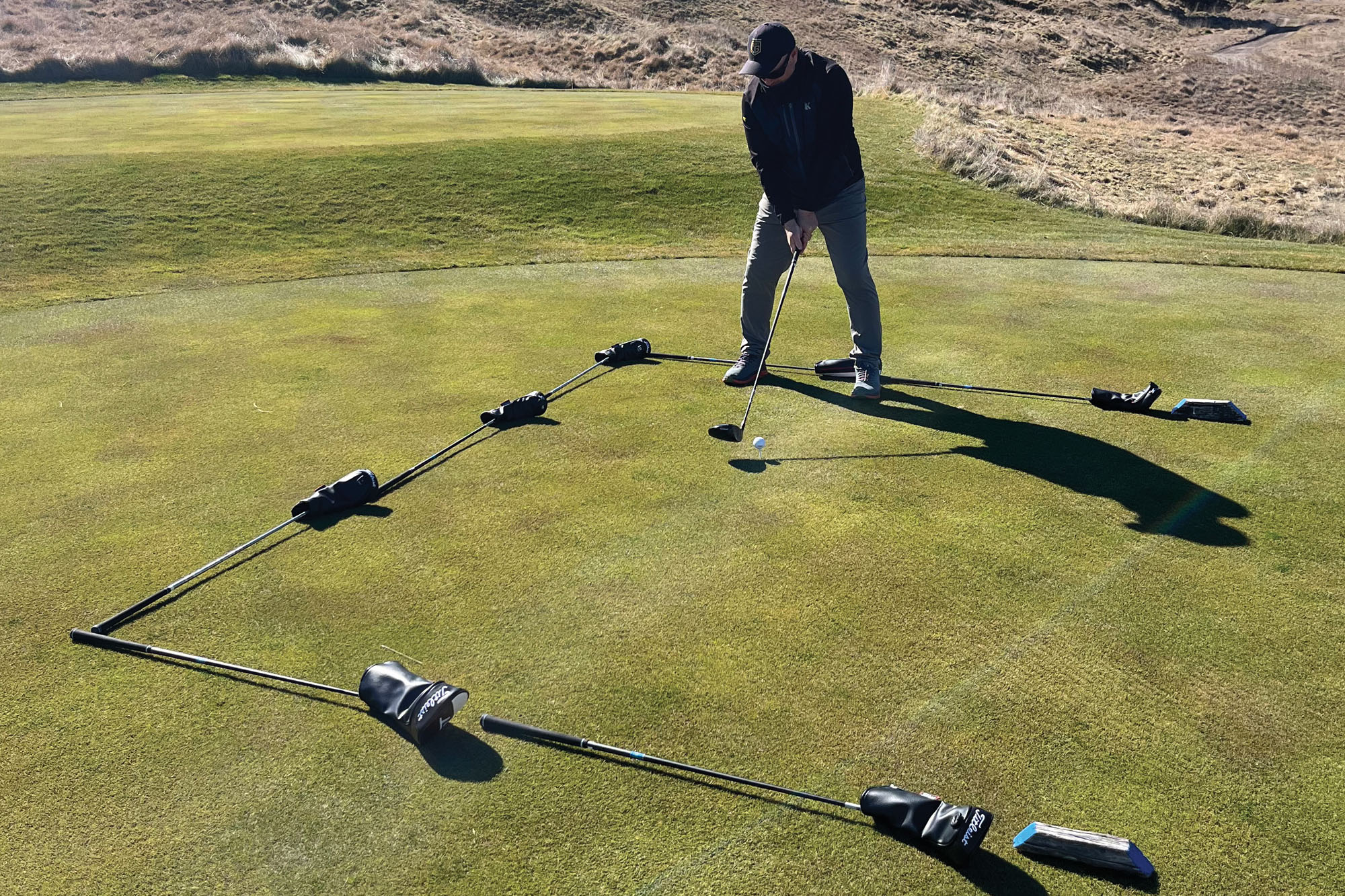
Most players automatically tee up right between the markers even though that’s where the ground is most worn and full of divots. Don’t be shy about moving back a club length or even two. Yes, it takes you further from the hole, but it’s only two club lengths. On a par-3, if you’ve selected a club to carry the trouble short of the green but think it might go through the green move back to take something off your shot – it might be the difference between you chipping from the back fringe or putting!
Finally, always tee the ball up. Even on a par-3. Tiger Woods—not a bad player, I’d say—always tees it up, even if it’s barely above ground level. A perfect lie every time is an advantage you shouldn’t give away.
Use the teeing ground to your advantage. It’s the only time you get to choose your lie, so make it count.